Wedding Flower Illustrations: A Botanical Design Asset for Every Project
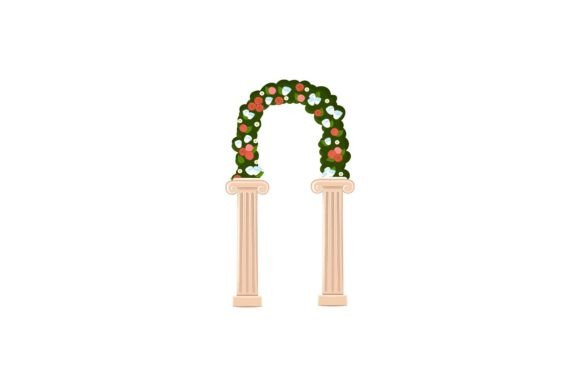
There’s a certain magic in the way delicate petals and winding vines can instantly soften a design, adding a layer of romance, elegance, and organic beauty. For designers, entrepreneurs, and creators, finding high-quality botanical artwork that feels both timeless and versatile is a constant search. Enter the world of meticulously crafted floral design assets, where every line and color is chosen to evoke emotion and tell a story. This particular collection of botanical artwork, centered around the theme of wedding florals, offers a solution that transcends its primary context, proving to be an indispensable tool for a wide array of creative and commercial endeavors.
Beyond the Bouquet: The Versatile Appeal of Floral Artwork
At first glance, this style of illustration is synonymous with nuptial celebrations—think elegant wedding invitations, save-the-date cards, and ceremony programs. The soft color palettes, intricate details of roses, peonies, and greenery, and the graceful composition are perfect for setting a romantic tone. However, the true value of such a design asset lies in its adaptability. The same artwork that graces a wedding suite can be repurposed to bring a fresh, organic feel to projects across completely different industries. It’s a premium font of visual inspiration, offering a consistent aesthetic that can anchor a brand identity or elevate a personal project with professional polish.
For small business owners in the lifestyle, beauty, or artisan food sectors, these illustrations become a cornerstone of visual branding. Imagine a boutique skincare company using a delicate floral pattern from this collection on their product packaging, website header, and social media templates. The result is a cohesive, recognizable brand image that communicates quality, care, and a connection to nature. Similarly, a café or bakery could use the artwork on menus, loyalty cards, and printed paper for wrapping pastries, creating an inviting atmosphere that enhances the customer experience. This approach to design assets demonstrates how a single resource can build a comprehensive and engaging brand narrative.
A Toolkit for Modern Creators and Entrepreneurs
The practical applications for this type of illustration extend far beyond traditional print. In the digital realm, content creators and marketers can leverage the artwork to produce scroll-stopping social media graphics. A beautifully illustrated floral frame can make an Instagram quote post stand out, while a subtle pattern can serve as an elegant background for a Facebook event announcement or a Pinterest pin. For bloggers and website designers, these elements can be used to create custom headers, section dividers, or featured image backgrounds that align with a site’s overall theme, improving visual consistency and reader engagement.
The inclusion of multiple high-resolution file formats—such as AI and EPS for scalable vector editing, and high-DPI JPG and PNG files for immediate use—ensures this asset is ready for any project. A graphic designer can open the vector files in Adobe Illustrator to customize colors, isolate specific flowers, or resize elements without losing quality. Meanwhile, a small business owner without advanced software can directly use the PNG files with transparent backgrounds in user-friendly platforms like Canva or PicMonkey to quickly create professional-looking marketing materials. This flexibility makes it a practical resource for both seasoned professionals and those just starting their creative journey.
Integrating Botanical Elements into Your Design Strategy
When incorporating such detailed artwork, the key is thoughtful application. It’s not about plastering flowers everywhere, but about using them to enhance and support your core message. For logo design, a single, stylized botanical element can serve as a memorable icon or monogram, especially for brands in the wedding planning, floral, or event industries. In editorial layouts for magazines or lookbooks, these illustrations can act as sophisticated spot illustrations, breaking up text-heavy pages and adding visual interest without overwhelming the content.
Consider the power of pattern. A seamless pattern derived from the floral motifs can be applied to a vast range of merchandise and printed materials. Think of the appeal of a custom-designed tote bag featuring a repeating floral pattern for a boutique’s customer giveaway, or a set of decorative pillows for a home décor brand. For children's book design, softer versions of these illustrations can create enchanting scenes, while the same motifs can be adapted for charming Easter-themed designs, showcasing the artwork’s seasonal flexibility. The ability to transform a single illustration into a cohesive pattern multiplies its value exponentially.
Making Your Project Stand Out with Professional Assets
In a crowded marketplace, the details matter. Using generic, low-resolution clipart can undermine the professionalism of a project, no matter how good the underlying idea is. Investing in a well-crafted design asset like this collection of wedding flower illustrations is an investment in quality. It signals to your audience that you value aesthetics and are willing to put in the effort to create a polished final product. This attention to detail builds trust and enhances brand recognition, as customers begin to associate your distinct visual style with your business.
Ultimately, the goal is to create work that resonates. Whether you’re designing a phone case for an online store, a pattern for printed paper, a t-shirt graphic, or a series of engaging social media posts, the right visual elements can make all the difference. They help tell your story, connect with your target audience on an emotional level, and create a memorable impression. By choosing versatile, high-quality design assets, you equip yourself with the tools to produce work that is not only beautiful but also strategically effective, helping you achieve your creative and business goals with confidence.