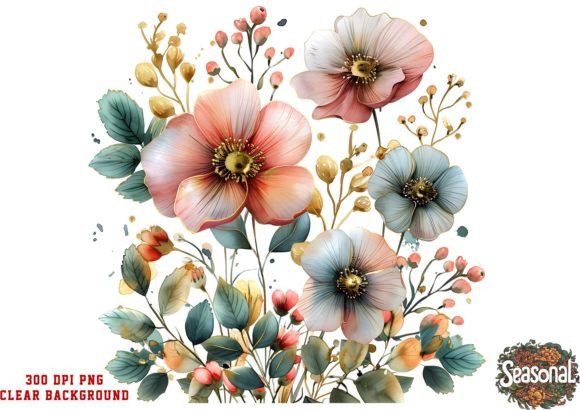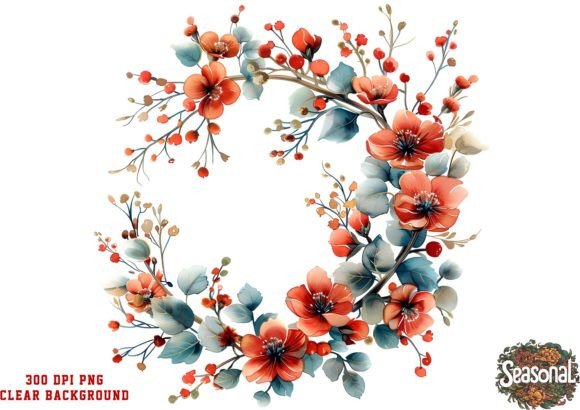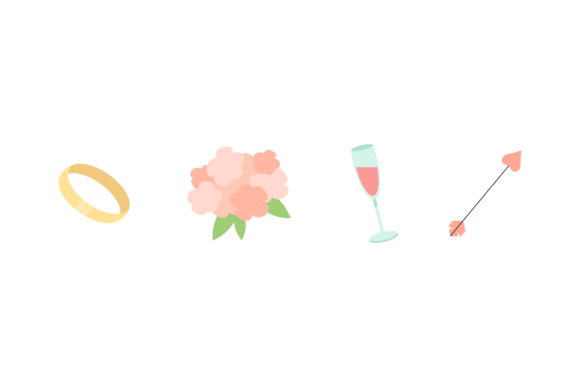
Elegant Wedding Floral Design for Timeless Beauty
There's something undeniably magical about the way soft peonies, cascading greenery, and delicate baby's breath come together on a wedding day. Wedding floral design captures that magic and translates it into a visual language that feels both romantic and deeply personal. Whether you're a wedding planner building mood boards, a graphic designer creating stationery suites, or a small business owner crafting products for the bridal market, having access to thoughtfully designed floral assets can transform your work from ordinary to unforgettable.
Why Floral Motifs Resonate So Deeply in Wedding Branding
Flowers have always carried meaning. Roses symbolize love, eucalyptus represents protection, and lavender speaks to devotion. When these botanical elements are woven into design work, they bring emotional weight that stock photography or generic graphics simply cannot match. Wedding floral design draws on centuries of floral symbolism while presenting it through a modern, versatile lens that works across digital and print platforms.
What makes this particular design collection stand out is its balance. The composition doesn't overwhelm the viewer with cluttered arrangements or overly stylized blooms. Instead, it offers a harmonious blend of organic shapes and intentional negative space — the kind of thoughtful arrangement you'd expect from a skilled florist, now available as a digital asset you can incorporate into your own projects.
Practical Applications That Go Beyond the Invitation Suite
When most people think of wedding-related graphics, their minds jump to invitations and save-the-dates. And yes, these assets work beautifully for that. But the real versatility of a premium floral design file shows up when you start exploring its full potential across different creative contexts.
Branding and logo design benefit enormously from floral elements, especially for businesses in the wedding, beauty, wellness, or lifestyle spaces. A carefully placed floral accent around a wordmark or monogram instantly communicates elegance, femininity, and attention to detail. Think about high-end bridal boutiques, event planning studios, or luxury candle brands — their visual identities often hinge on exactly this kind of botanical sophistication.
Packaging design is another area where floral assets shine. Imagine wrapping tissue paper for a jewelry brand, designing labels for artisan soaps, or creating box inserts for subscription services targeting brides-to-be. The layered, organic quality of wedding floral design adds a tactile, gift-like feeling to physical products that customers notice and appreciate.
Social media graphics demand constant visual refreshment. A floral frame or accent can turn a simple quote post into something shareable. Instagram stories, Pinterest pins, Facebook headers, and even TikTok overlays benefit from the warmth and visual interest that well-crafted botanical elements provide. For content creators who need to produce graphics quickly without sacrificing quality, having a ready-to-use floral design file saves hours of work.
Website and blog design is where these assets often make the biggest impact on first impressions. A hero image with soft floral elements framing the headline sets an immediate tone. Blog post headers, sidebar graphics, and about-page layouts all become more engaging when they incorporate natural, organic shapes that guide the eye without competing with the text.
Understanding the Files You're Working With
This particular wedding floral design package includes five digital files — an AI file, an EPS file, an SVG file, a high-resolution JPG, and a high-resolution PNG. Each format serves a different purpose, and understanding which to use where will save you frustration and produce better results.
The AI and EPS files are vector formats, meaning they can be scaled to any size without losing quality. This makes them ideal for large-format printing like banners, signage, and posters. If you're working in Adobe Illustrator or a similar vector editor, these give you full control over colors, individual elements, and composition adjustments.
The SVG file is perfect for web use. It loads cleanly at any screen resolution and can be manipulated with CSS if you're comfortable with code. Web designers often prefer SVGs for decorative elements because they keep file sizes small while maintaining crisp edges on retina displays.
The JPG and PNG files at 300 PPI are print-ready and work well in programs like Canva, Photoshop, or even PowerPoint for quick mockups. The PNG's transparent background makes it especially useful for layering over photos or colored backgrounds without awkward white edges.
Having all these formats in one package means you're not stuck converting files or losing quality between platforms. Whether your project lives on screen or on paper, you have the right file type ready to go.
Pairing Typography with Floral Elements
One of the trickiest parts of working with decorative floral graphics is making sure your typography doesn't get lost. A busy floral arrangement can swallow a delicate script font, while a heavy sans serif might feel jarring against soft petals and trailing vines.
The sweet spot usually involves pairing a clean, readable typeface with the floral design as a supporting element rather than a competing one. Serif fonts with moderate contrast — think something like a transitional or modern serif — tend to complement botanical illustrations naturally. They share a sense of tradition and refinement without feeling stuffy.
For a more contemporary feel, a geometric sans serif with generous letter spacing creates a striking contrast against organic floral shapes. This combination works particularly well for modern wedding brands that want to feel fresh and current rather than overtly traditional.
Script and handwritten fonts deserve careful handling here. A flowing calligraphy script can look stunning alongside floral elements, but only if there's enough visual separation. Using the floral design as a border or corner accent — rather than wrapping text directly through it — keeps both elements legible and distinct.
Always test your font pairings at the actual size they'll appear. Something that looks balanced on a large monitor might become unreadable when printed at invitation size or viewed as a small social media thumbnail.
Licensing and Commercial Use Considerations
If you're planning to use wedding floral design assets in client work, merchandise, or products for sale, pay close attention to the licensing terms. Most design asset files come with specific permissions around commercial use, and these vary widely between sellers.
Typically, a standard commercial license allows you to incorporate the design into end products that you sell — like printed invitations, branded merchandise, or digital templates — but prohibits you from redistributing the original source files themselves. This distinction matters because it protects the original creator while giving you broad creative freedom.
For designers working with multiple clients, confirming that a single license covers unlimited commercial projects (rather than requiring a separate purchase per client) can make a significant difference in your operating costs. Always read the specific license agreement included with your purchase to avoid surprises down the road.
Bringing It All Together
The best design assets are the ones that disappear into your work — meaning they enhance your vision without calling attention to themselves as purchased elements. Wedding floral design done well achieves exactly this. It provides the organic beauty, emotional resonance, and visual sophistication that wedding-adjacent projects demand, while remaining flexible enough to adapt to your specific creative needs.
Whether you're building a brand identity from scratch, refreshing your social media presence, or designing a one-time event invitation, having a reliable floral design file in your toolkit removes one variable from the creative process. You can focus your energy on strategy, messaging, and the details that make each project uniquely yours — knowing that the botanical foundation is already handled.