Elegant Designs: The Art of Wedding Invitation Vector Graphics
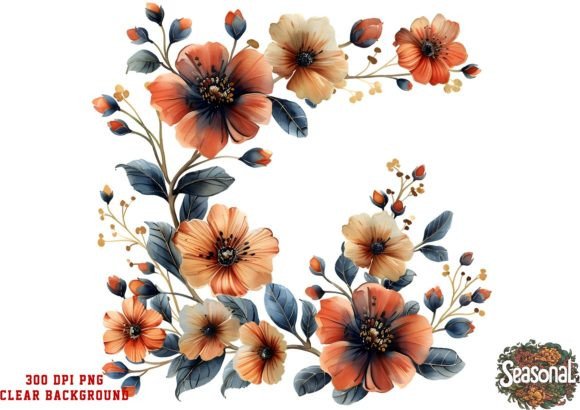
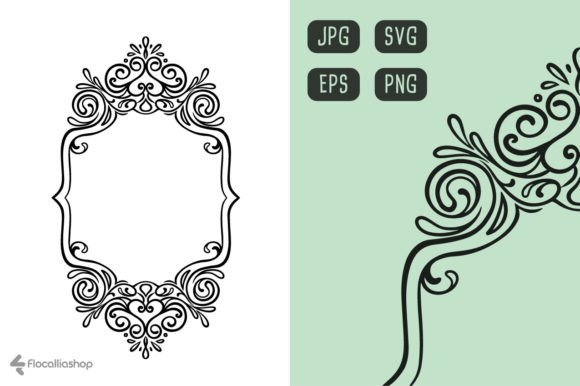
There is a specific moment when you open a wedding invitation and immediately feel the atmosphere of the upcoming event. Is it a black-tie gala in the city, a rustic gathering in a vineyard, or a bohemian celebration on a beach? That emotional connection rarely happens by accident. It is the result of deliberate design choices, particularly regarding the artwork used. For designers and stationery creators, finding the right Wedding Invitation Card Vector Art is the cornerstone of setting that tone. Unlike raster images that pixelate when you resize them, vector art allows you to scale floral arrangements, ornate borders, and calligraphy flourishes from a small RSVP card to a massive welcome sign without losing a single ounce of crispness.
Beyond the Aisle: Commercial Applications
While the name suggests a specific utility, the versatility of high-quality vector graphics in this niche extends far beyond the stationery suite. If you are a creative entrepreneur or a brand strategist, you understand that assets need to work hard. The intricate botanical illustrations and geometric frames found in wedding vector packs are powerful tools for various industries. Think about a luxury spa’s brand identity; the soft, organic line work of wedding vectors communicates tranquility and elegance perfectly. Similarly, high-end chocolatiers or boutique bakeries can use these assets for packaging design, creating a sense of premium quality before the customer even tastes the product.
Here is where the real value lies for your commercial projects:
- Social Media Graphics: Instagram and Pinterest thrive on aesthetics. Using vector overlays for quotes, sale announcements, or story backgrounds helps maintain a cohesive visual feed.
- Editorial Design: Lifestyle magazines and blogs covering topics like travel, fashion, or home decor often rely on these elegant elements to break up text and add visual interest to layouts.
- Web Design: Subtle vector patterns can serve as website backgrounds or section dividers, adding a touch of sophistication to a user interface without slowing down load times with heavy image files.
- Merchandise: The "boho" or "vintage" aesthetic is huge in merchandise. These vectors look stunning on tote bags, coffee mugs, and t-shirts.
The Anatomy of a Professional Vector Pack
When you are evaluating a premium font or vector kit, you need to look under the hood. A truly professional asset kit isn't just a collection of random JPEGs saved as SVGs. It requires structured layers and editable paths. This is where the technical meets the practical. If you are working on a complex logo design for a wedding venue, you need to be able to change the color of a specific leaf or alter the thickness of a frame line to match the client's brand identity.
Furthermore, the distinction between display font styles and the accompanying vector art is vital. Often, these kits include script font or serif font pairings. You want to ensure that the vector flourishes complement the typography rather than competing with it. A good pack offers a mix of elements: corner pieces for framing, seamless patterns for backgrounds, and standalone illustrations like bouquets or crests. This variety ensures you aren't recycling the same visual elements across different client projects, which helps maintain your reputation for originality.
Matching Visuals to Project Goals
Choosing the right assets is less about what looks "pretty" and more about what communicates the specific message. This is a crucial step in visual communication. If you are designing for a modern, minimalist tech startup, you wouldn't use a heavy, ornate Victorian border. Instead, you might strip those vectors down to simple geometric lines. Conversely, if you are creating materials for a vintage-themed festival, you lean into the distressed textures and intricate floral motifs.
Consider the readability of your final product. A common mistake in creative font usage and vector placement is overcrowding. If you place a dense floral vector behind a block of body text, the message gets lost. The goal is to use these elements to guide the eye, not obstruct it. Use large, bold vectors as hero images or focal points, and use smaller, more subtle elements to frame the necessary information.
Practical Tips for Integration
To get the most out of your design assets, you need a strategy for implementation. Here are a few professional tips to ensure your work looks polished:
- Test Scalability: Before finalizing a design, zoom in to 400%. Check for stray points or uneven lines. This is especially important for print materials like posters where imperfections are glaringly obvious.
- Color Harmony: Vectors are easily recolorable. Don't just accept the default gold or green. Match the vectors to your specific color palette to ensure visual consistency across the project.
- Font Pairing: If the vector art is ornate, pair it with a clean sans serif font for body copy to create contrast. If the vectors are simple geometric shapes, you can afford to use a more complex handwritten font for headers.
- File Management: Keep your source files organized. Separating your vectors into categories (florals, frames, patterns) saves massive amounts of time during the design process.
Licensing and Commercial Use
This is the part many creators gloss over until it is too late. Understanding the licensing of your Wedding Invitation Card Vector Art is non-negotiable for professional work. If you are selling digital products—like editable templates on Etsy or Creative Market—you must ensure the license allows for "end-use" or digital distribution. Most standard licenses cover physical print runs (like flyers or business cards), but selling the raw vector files to a third party is almost always prohibited.
Always read the fine print regarding merchandise. If you are using these vectors to design t-shirts for a print-on-demand store, verify that the license covers unlimited physical reproductions. This protects your business legally and ensures that the original artist is compensated for their contribution to the economy of design. It is a matter of professional integrity and business safety.
Ultimately, the right vector art acts as the silent ambassador for your design. It conveys the mood, reinforces the brand, and elevates the perceived value of the project. Whether you are crafting a wedding suite for a high-profile client or building a visual identity for a new lifestyle brand, having a library of versatile, scalable, and elegant vector graphics allows you to work faster and deliver better results. It bridges the gap between a concept and a tangible, beautiful reality.