Designing Wedding Moments with Decorative Borders
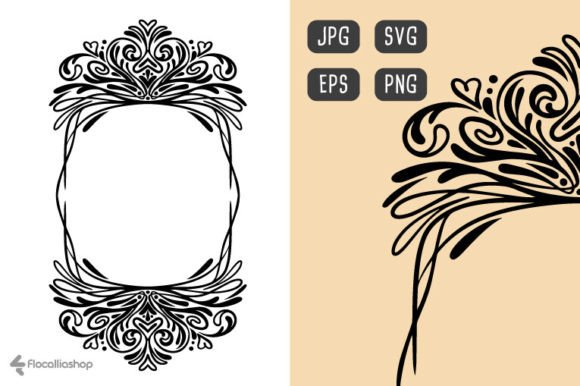
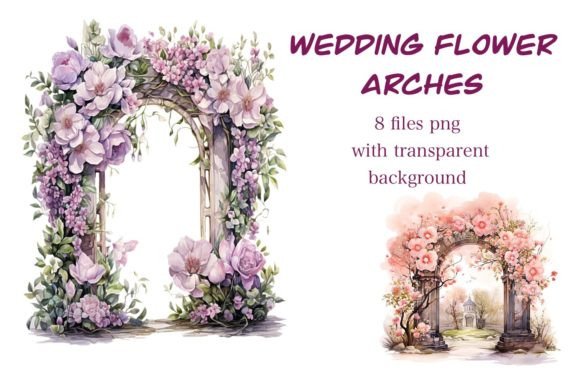
When you’re crafting an invitation for a wedding or a special event, the details are everything. The weight of the paper, the color palette, and the typography all work together to set the mood before the envelope is even opened. One of the most effective ways to frame your text and create an immediate sense of elegance is through the use of ornamental frames. This is where the concept of Decorative Borders Wedding Design truly shines, offering a distinct visual language that speaks of romance, sophistication, and celebration. It’s not just about placing text on a page; it’s about creating an atmosphere that wraps the content in a visual embrace.
Understanding the Visual Language of Ornamental Frames
Unlike a standard sans serif font used for body copy, decorative borders function as artistic assets. They are designed to draw the eye inward, guiding the reader’s focus to the central message—whether that’s a couple’s names, a date, or a heartfelt quote. The visual appeal of these designs lies in their complexity and their ability to mimic the intricate lacework, floral arrangements, or architectural details often found in wedding venues. By integrating these elements, you bridge the gap between the physical event and the printed or digital announcement.
For designers and small business owners, utilizing a resource like Decorative Borders Wedding Design provides a shortcut to high-end aesthetics without requiring hours of manual illustration. These assets are typically crafted to ensure that the curves are smooth and the details remain crisp, whether they are scaled up for a large poster or scaled down for a business card. This scalability is crucial for maintaining a professional presentation across all your marketing assets.
Practical Applications Beyond the Invitation Suite
While the primary association with this style is wedding stationery, the versatility of decorative borders extends far beyond the envelope. If you are a content creator or a marketer, you can leverage these intricate designs to elevate various projects.
Consider the impact on branding and logo design. For businesses in the beauty, wellness, or luxury sectors, a border element can serve as a distinctive mark that sets them apart from the minimalist trends currently dominating the market. It adds a layer of texture and history to the brand identity.
Here are several practical scenarios where these designs can be applied effectively:
- Packaging Design: Use the borders to frame product labels for artisanal goods, chocolates, or candles. It instantly communicates a "hand-made" or "premium" feel.
- Social Media Graphics: In a sea of flat, minimalist Instagram posts, a beautifully framed graphic can stop the scroll. Use the borders to highlight testimonials, special announcements, or seasonal greetings.
- Web Design and Blogs: Digital spaces can often feel cold. Adding ornamental frames around featured images or pull quotes can soften the layout and improve the reader's visual experience.
- Print Materials: Think about menus for high-end restaurants, theater programs, or gala tickets. These items require a level of formality that decorative borders provide naturally.
- Merchandise: From tote bags to notebook covers, intricate borders can turn a generic item into a piece of art.
Integrating Typography with Visual Assets
One of the most common challenges in design is pairing different elements without creating visual clutter. When you introduce a decorative border, you are adding a strong visual voice to the composition. Therefore, the typography you choose for the interior text must complement, not compete with, the frame.
A key strategy is to balance complexity. If your Decorative Borders Wedding Design is highly detailed and "busy," opt for a cleaner, more legible typeface for the body text. A classic serif font often works well here, offering enough elegance to match the border but enough structure to remain readable. Conversely, if the border is relatively simple and geometric, you might have more freedom to use a script font or a handwritten font for the headings.
It is also essential to consider the negative space. The border acts as a container, and the text inside needs room to breathe. Crowding the text against the intricate edges of the design can make the entire layout feel suffocating. Always leave a generous margin between the inner edge of the border and the start of your text block. This separation ensures that the design feels intentional and curated rather than accidental.
Choosing the Right Asset for Your Project Goals
Not all decorative assets are created equal. When selecting a design, look at the file formats included. A high-quality package will usually provide vector files (like EPS or SVG) which allow for infinite resizing without loss of quality, as well as high-resolution raster files (like JPG or PNG) for immediate use in digital projects.
When reviewing the style of the borders, ask yourself if the "personality" of the design matches the message of your project. For example:
- Floral and Organic: Best for romantic themes, spring events, and eco-friendly brands.
- Geometric and Art Deco: Ideal for modern luxury, architectural firms, or vintage-themed events.
- Minimalist Line Art: Works well for contemporary fashion lookbooks or modern web design where you want a touch of elegance without heavy visual weight.
For those working on commercial projects, licensing is a critical checkpoint. Ensure that the license covers your intended use, whether it is for digital products you plan to sell or physical merchandise. Using commercial fonts and assets legally protects your business and ensures you are supporting the creators who produce these high-quality design resources.
Enhancing Visual Consistency Across Platforms
One of the hallmarks of a strong brand identity is consistency. When you adopt a specific style of decorative border, you can weave it through various touchpoints of your business. You might use the full border for the main logo or wedding invitation, but then use a corner element of that same border for social media profile pictures or email signatures.
This repetition builds brand recognition. Your audience begins to associate that specific visual style with your content. It transforms a generic template into a proprietary look. For example, a blogger could use the borders to frame their weekly newsletter headers, creating a predictable and comforting visual rhythm for their subscribers. This level of detail signals professionalism and care, which translates to higher audience engagement.
Ultimately, the goal of using Decorative Borders Wedding Design is to communicate value. It tells your audience that you care about aesthetics and that you are willing to put in the effort to make their experience beautiful. Whether you are designing a wedding suite for a client or creating a digital product for your own shop, these ornamental elements provide the finishing touch that separates amateur work from professional artistry. Take the time to experiment with different pairings and layouts; the right border can transform a simple piece of text into a memorable keepsake.