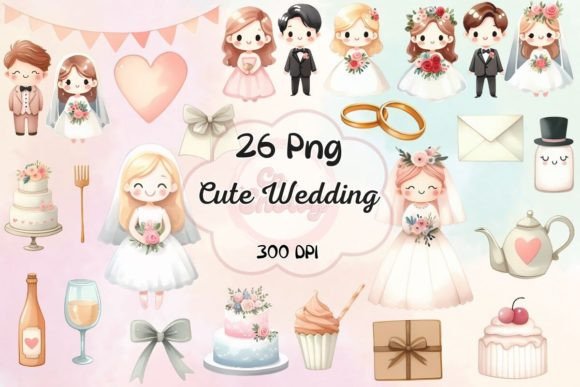
Cute Wedding Sublimation Clipart: Your Watercolor Design Toolkit
There’s a specific kind of charm that only watercolor brings to a design. It’s soft, it’s organic, and it carries a handmade feel that resonates deeply, especially in the context of love and celebration. When you’re building a brand or creating a product around a wedding theme, relying on generic stock imagery often falls flat. You need assets that feel intentional and cohesive. This is exactly where high-quality watercolor clipart enters the picture. It’s not just about filling space on a page; it’s about establishing a mood—whether that is whimsical, rustic, or elegantly modern.
For small business owners, designers, and creators in the wedding industry, finding the right balance between professional polish and artistic flair is a constant challenge. You want your products to look unique, but you also need a workflow that is efficient. This is why curated collections of watercolor assets are becoming a staple in the creative toolkit. They allow you to maintain a consistent visual language across everything from physical merchandise to digital marketing, ensuring that your brand identity remains strong and recognizable.
The Versatility of Watercolor in Modern Branding
Watercolor is often pigeonholed as "cute" or "feminine," but in reality, it is a versatile texture that can be adapted to various branding strategies. When used correctly, these designs add depth and character to a project that flat vector graphics simply cannot achieve. The natural bleed of the paint and the subtle texture of the paper create a tactile quality, even on a digital screen. This makes them perfect for brands that want to convey authenticity, warmth, and a personal touch.
Consider the difference between a standard digital invitation and one that incorporates hand-painted elements. The latter immediately feels more premium and bespoke. For businesses, this perception of quality is invaluable. It suggests that care and attention to detail have been invested in the product. Whether you are a wedding planner creating a lookbook, a stationer designing a new suite of invitations, or a content creator building a mood board, the aesthetic of watercolor bridges the gap between digital precision and organic artistry.
Practical Applications for High-Resolution Assets
One of the biggest hurdles in design is scalability. An image that looks great on an Instagram story might look pixelated and unprofessional on a tote bag or a large poster. This is why the technical specifications of your design assets matter just as much as the aesthetic. When working with digital files for physical products—known as sublimation—the resolution needs to be high enough to withstand printing without losing clarity.
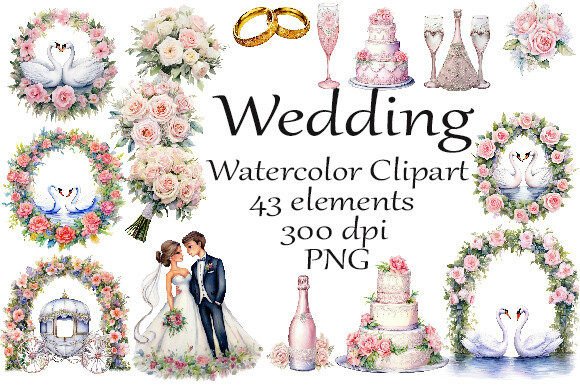
A robust collection of watercolor elements opens up a world of possibilities for product development. Because these files are designed with high resolution in mind, you can confidently apply them to a wide range of merchandise. Here are just a few ways these assets can be utilized:
- Merchandise and Apparel: Applying designs to t-shirts, tote bags, and throw pillows. The transparency of the files allows the texture of the fabric to interact with the design.
- Drinkware and Accessories: Creating custom mugs, tumblers, and stickers. These are high-volume items in the wedding and gift market.
- Paper Goods: Designing thank you cards, save-the-dates, and frameable art prints. The high DPI ensures crisp lines and smooth color gradients.
- Scrapbooking: For hobbyists and digital scrapbookers, these elements provide the perfect layering pieces for memory keeping.
- Digital Products: Using the graphics in planners, digital invitations, or social media templates.
The ability to use a single asset across such a diverse range of products helps streamline the creative process. Instead of commissioning new artwork for every different medium, you can remix and reuse existing elements to create a cohesive product line.
Integrating Clipart into Digital Marketing and Social Media
In the crowded digital landscape of social media, stopping the scroll is half the battle. Generic stock photos are easily ignored, but unique, artistic elements tend to catch the eye. Watercolor clipart can be used to create custom borders, background textures, or accent graphics for your Instagram posts, Pinterest pins, and Facebook headers.
For bloggers and content creators, these assets serve as excellent visual breaks in long-form content. Instead of a wall of text, you can use a small watercolor flourish to separate sections or a thematic illustration to reinforce a point. This not only improves the visual appeal of your site but also enhances the user experience, keeping readers engaged longer. Furthermore, using consistent design elements across your website and social channels reinforces your brand identity, making your content instantly recognizable to your audience.
Understanding File Formats and Quality
When investing in design assets, it is crucial to understand exactly what you are buying to avoid frustration later in the production process. Not all file types are created equal, and knowing the difference between a raster image and a vector file can save you time and money.
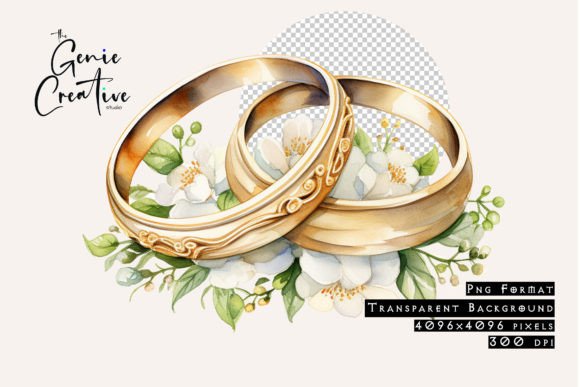
The assets in a typical high-quality collection are usually provided as PNG files. This format is the industry standard for raster graphics because it supports transparency. This means the "background" of the image is removed, allowing you to place the watercolor element over any colored background, photo, or pattern without a white box appearing around it. This is essential for seamless integration into your designs.
However, it is equally important to know what these files are not. These specific assets are raster images, meaning they are made of pixels. They are not SVG (Scalable Vector Graphics) files. While SVG files are great for logos and simple shapes that need to be resized infinitely without losing quality, they cannot capture the complex, textured nature of watercolor painting. Therefore, for watercolor effects, high-resolution PNGs are the preferred format.
When working with these files, you must ensure your canvas size is appropriate. A file with a resolution of 300 DPI (dots per inch) and dimensions of 4000x4000 pixels is considered "high resolution." This size is sufficient for most print applications, including sublimation printing on large items like pillows or shirts. However, if you attempt to blow up a smaller, lower-resolution image, you will lose that crisp, professional look.
Tips for Color Matching and Printing
One common challenge when moving from screen to print is color variation. The vibrant colors you see on your monitor are rendered using light (RGB), while printers use ink (CMYK). As a result, the final printed product may look slightly different than what you see on your computer screen. This is a standard occurrence in the printing industry and is not necessarily a flaw in the file itself.
To mitigate this, it is always recommended to do a test print before committing to a large batch of products. If you are using a professional printing service, ask for a proof. If you are printing at home, ensure your printer settings are calibrated correctly and that you are using the right paper or substrate for your ink type. For sublimation specifically, the quality of the paper and the heat press settings play a massive role in how the final colors turn out.
Choosing the Right Style for Your Project
Not every watercolor style fits every project. Some collections feature bold, saturated washes, while others use pastel, muted tones. When selecting assets for your wedding-themed projects, consider the emotional tone you want to set.
- Romantic & Soft: Look for pastel pinks, soft lavenders, and peach tones. These are perfect for traditional wedding invitations and baby shower themes.
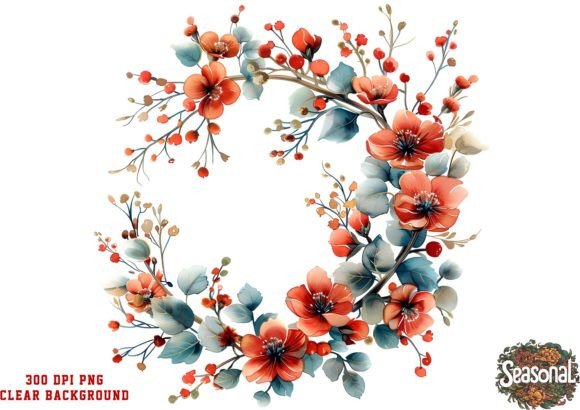
- Boho & Earthy: Sage greens, terracotta, and mustard yellows work well for rustic, outdoor, or bohemian wedding themes.
- Modern & Bold: Deep blues, emerald greens, and metallic accents can create a more sophisticated, high-end feel suitable for evening events or luxury branding.
By matching the color palette of the clipart to your specific project goals, you ensure that the final product feels harmonious. The beauty of these assets lies in their ability to adapt. You can desaturate them for a vintage look, layer them for depth, or use them as standalone focal points.
Ultimately, having a library of high-quality, versatile design assets empowers you to work more efficiently and creatively. Whether you are building a brand from scratch or refreshing an existing product line, these watercolor elements provide the flexibility and quality needed to produce professional, visually stunning work that stands out in the market.